The National Center for Earth and Space Science Education (NCESSE), and Arthur C. Clarke Institute for Space Education, are proud to introduce the National Step 2 Review Board for SSEP Mission 21 to the International Space Station (ISS), reflecting a combined Mission 21 participation by 20 communities.
On December 2, 3 and 11, 2025, the Board met via Zoom, to review 58 finalist proposals for student flight experiments submitted from across 20 communities participating in Mission 21.
Listed below are the 31 Board Members—scientists, engineers, and science educators from academia, federal agencies, commercial entities, and national science education non-profits.
For Mission 21 to ISS, a total of 3,663 grade 5-16 students were formally engaged in designing microgravity experiments suitable for flight aboard ISS. At the conclusion of the experiment design phase, a total of 441 proposals were submitted by student teams, and 227 proposals were forwarded for review by SSEP Step 1 Review Boards in the communities.
For Step 2 review, the Board Members were divided into 8 teams, each comprised of both researchers and science educators, and each team responsible for review of proposals from 2-3 SSEP communities. The Board Members spent a great deal of time providing thoughtful comments for all 58 proposals, which were forwarded to the proposing student teams by NCESSE. The review went well beyond what is typical of reviews for professional research proposals given the deep recognition that the review process, and the comments back, were critically important teachable moments for the student researchers that worked so hard on their proposals. Through SSEP, we want to immerse students in real science. The review process is very much a part of real science, and that process therefore needs to be transparent and a learning experience.
NCESSE reviewed all comments from the Step 2 Review Board to assess if there were any outstanding questions that needed to be addressed by the selected student flight teams, and by December 19, 2025, NCESSE formally notified each community of their selected flight experiments.
You are invited to explore the selected flight experiments and honorable mention finalist experiments for Mission 21 to ISS.
A Note to All Mission 21 Student Research Teams
To the thousands of students that participated in SSEP Mission 21 to ISS, regardless of whether your proposal was selected for flight, and regardless of whether it formally went before a Review Board, it is important to recognize the endeavor in which you’ve been engaged – real science. This is how real research proceeds from opportunity, to defining a proposed research program, to submission of a proposal, to formal proposal review and selection. In the professional world, comments back from the Review Board allow a team to rethink and refine their proposed research, so they can submit a better proposal for the next opportunity. We have indeed had SSEP student teams that did not get selected for spaceflight the first time, but did get selected with a refined proposal as part of their community’s next flight opportunity.
Reflect on the overall experience, and recognize that you and your team owned this process – you came up with a microgravity experiment of interest to you, and designed it to fly in a research mini-lab that has a very real set of constraints on its operation. So get excited about what you’ve achieved, and get excited about science, technology, engineering, and mathematics (STEM). We challenge you to seek out new opportunities in STEM where you can be curious and take ownership … in the journey.
Finally, recognize that YOUR COMMUNITY now has an experiment destined for the International Space Station, that you are part of this historic adventure, and now you and your community can rally around your flight experiment and root for its success.
The SSEP National Step 2 Review Board for Mission 21 to ISS—
1. Dr. Shaun Brinsmade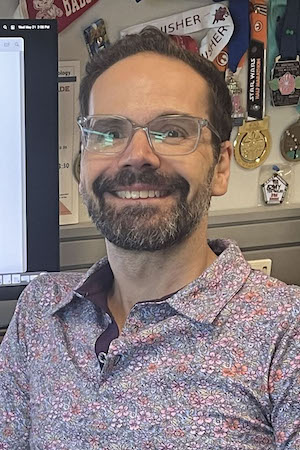
Associate Professor, Department of Biology
Georgetown University
Shaun Brinsmade, Ph.D., is a Provost’s Distinguished Associate Professor in the Department of Biology at Georgetown University. His laboratory studies the basic biology of Staphylococcus aureus and the molecular mechanisms by which bacterial pathogens control the production of virulence factors. Brinsmade earned his Ph.D. in microbiology from the University of Wisconsin-Madison, where he studied ethanolamine catabolism and Acetyl-CoA homeostasis in Salmonella enterica with Jorge Escalante-Semerena, Ph.D. He then became a Ruth L. Kirschstein postdoctoral fellow working at Tufts University School of Medicine with Linc Sonenshein, Ph.D. His current research views the regulation of virulence through the lens of nutrient sufficiency, and includes transcriptional, post-transcriptional and post-translational mechanisms. His laboratory also studies bacterial gene expression during infection using single-cell approaches to examine how host tissue drives gene expression in three dimensions. Brinsmade’s research activities involve a diverse group of scientists-in-training, and he is a trainer for Georgetown’s Initiative for Maximizing Student Development (IMSD) T32 training grant. He was the recipient of an NIH Pathway to Independence Award and is currently a member of Journal of Bacteriology’s editorial board. He also serves as co-director of Graduate Studies for the Biology Ph.D. program at Georgetown.
2. Dr. Michelle Brooks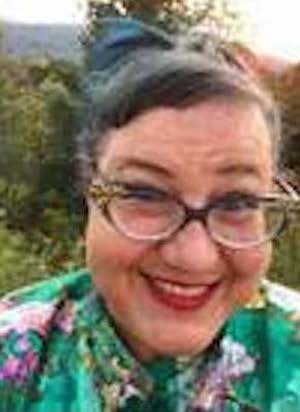
Adjunct Staff Member, National Center for Earth and Space Science Education
Senior Management, Office of Professional Training
American Chemical Society
Michelle Brooks is a Senior Manager at the American Chemical Society where she manages the ACS Approval Program for undergraduate chemistry departments. Michelle received her Bachelor’s degree in biochemistry from Eastern Michigan University and her Ph.D. in biophysical chemistry from Michigan State University where she studied the molecular orbital structure of radicals involved in photosynthetic processes by using electron magnetic resonance spectroscopy. As an NIH postdoctoral fellow at Columbia University, she studied chemically induced dynamic polarization by using solid state NMR. Michelle started her scientific career in academia, where she taught students to love pchem, but when an opportunity to develop and manage a graduate program in biology arose, she moved to administration and eventually found her way back to undergraduate education and chemistry at the ACS. As an administrator and manager, her passions lie in developing processes, creating assessment tools, and finding new ways to accomplish old tasks.
3. Dr. James Churchill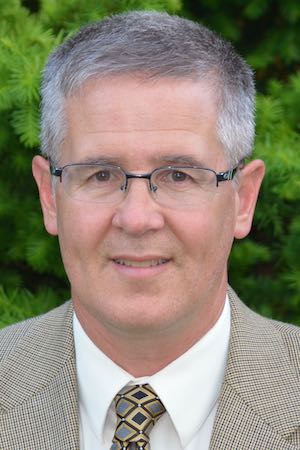
Senior Advisor
National Institute of Mental Health
Dr. James Churchill serves as Senior Advisor to the Director at the National Institute of Mental Health (NIMH). Dr. Churchill is a neuroscientist and has conducted research evaluating the anatomical and physiological basis of learning and memory. During his tenure at the NIMH, Dr. Churchill has managed a variety of projects from supporting young investigators to managing BRAIN Initiative efforts in the areas of next generation human brain imaging and neuroethics to the coordinating interagency research on suicide.
4. Dr. Douglas Dluzen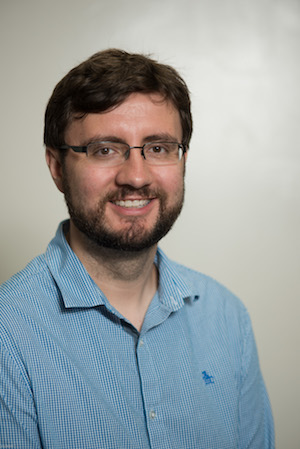
Assistant Professor, Biology Department
Morgan State University
Douglas Dluzen is an Assistant Professor of Biology at Morgan State University. His laboratory is focused on the intersection of human health disparities, aging, and the environment. He is interested in identifying biological and socioeconomic factors that influence health disparities in the community and their impact on healthy aging and age-related diseases. Doug primarily studies the role of non-coding RNAs in the biology of these mechanisms contributes to cardiovascular disease disparities in Baltimore City. He earned his B.S. in Molecular and Cellular Biology from the University of Illinois at Urbana-Champaign and Ph.D. in Genetics from the Pennsylvania State University Hershey College of Medicine. He was a post-doctoral research fellow at the National Institute on Aging. He teaching evolutionary biology, genetics, and environmental biotechnology to students at Morgan State. In his free time he writes science fiction and non-fiction, and his work can be found in Clarkesworld Magazine and Analog Science Fiction and Fact.
5. Dr. Matthew Frieman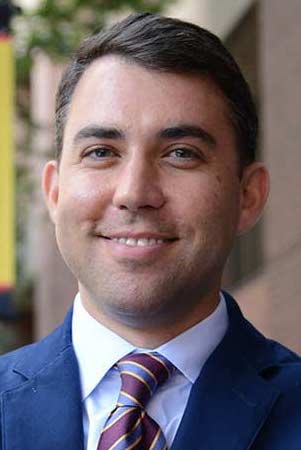
Alicia and Yaya Professor of Viral Pathogen Research
Center for Pathogen Research, Department of Microbiology and Immunology
University of Maryland School of Medicine
Dr. Matthew Frieman is the inaugural Alicia and Yaya Foundation Professorship in Pathogen Research, the Director of The Center for Pathogen Research and a Professor in The Department of Microbiology and Immunology at The University of Maryland School of Medicine. His research focuses on respiratory virus replication and pathogenesis with a focus on coronaviruses. His laboratory specializes in the replication and pathogenesis of SARS-CoV, MERS-CoV, SARS-CoV-2 as well other bat, animal and seasonal coronaviruses.
6. Dr. Talita B. Gagliardi
Research Assistant, Department of Cell Biology and Molecular Genetics
University of Maryland, College Park
Talita B. Gagliardi is Research Assistant at the University of Maryland (UMD). She is Bachelor in Biomedical Science and Specialist in Clinical Analysis; and obtained her PhD in Molecular and Cell Biology & Microbiology from University of São Paulo (SP, Brazil) in 2012. She worked as Postdoctoral Fellow in University of São Paulo (SP, Brazil; 2012-2016) and in Columbia University (NY, USA; 2013). Recently, she has been conducting studies about human rhinoviruses and human influeza virus together with Dr. Margaret Scull’s group. Talita’s interests are studying about human respiratory viruses regarding their replication; the effect of virus variability to the immune response; pathogenesis of viral infection; search for potential antiviral targets and vaccine production. She always looks forward to expand her contribution to Virology area, as collaborating in studies about animal viruses; and also in educational area.
7. Benjamin Goodman, Ph.D.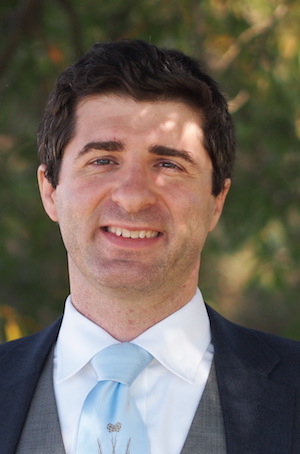
Senior Scientist
NASA Research and Education Support Services
Ben Goodman is a peer review administrator for NASA whose work currently focuses on programs spanning the Human Exploration and Operations Mission Directorate, Science Mission Directorate, and the Space Technology Mission Directorate. He has been a peer review administrator for over a decade, and has gained a familiarity with a wide variety of NASA programs and research portfolios while recruiting and serving as referee for many panels and solicitations, especially those dealing with NASA life sciences programs. Before working for NASA, he performed research on mitotic spindle assembly in Xenopus and cell culture while at Johns Hopkins University, where he received his Ph.D. in Cell Biology, and also served as a post-doctoral researcher at the NIH where he worked on microtubule post-translational modifications.
8. Dr. Vincent Holahan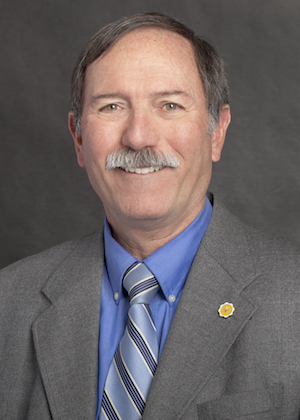
Senior Level Advisor for Health Physics
U.S. Nuclear Regulatory Commission
Dr. Holahan is responsible for developing technical standards for issuing federal regulations and guidance to possess and use radioactive materials by academic, industrial and medical licensees. His specific research interest is public and occupational health and developing guidance to limit occupational and public exposure to ionizing radiation during routine and emergency situations. He also is the current U.S. Representative to the United Nations Scientific Committee on the Effects of Atomic Radiation. Before joining the Nuclear Regulatory Commission in 1996, he was a senior program officer to the Board of Army Science and Technology at the U.S. National Research Council/National Academies of Science. Dr. Holahan completed 35 years of active and reserve service in the U.S. Army as nuclear medical sciences officer. His military research interests include the study of both ionizing and non-ionizing radiation and its impact on military performance. Dr. Holahan received a Bachelor of Arts degree in chemistry and a Bachelor of Sciences degree in biology from Gonzaga University. He received his doctoral degree in Radiology and Radiation Biology and an interdisciplinary degree in Cellular and Molecular Biology from Colorado State University. His graduate research interests include the combined use of heat and ionizing radiation as a new modality for cancer treatment.
9. Dr. Beatrice Kondo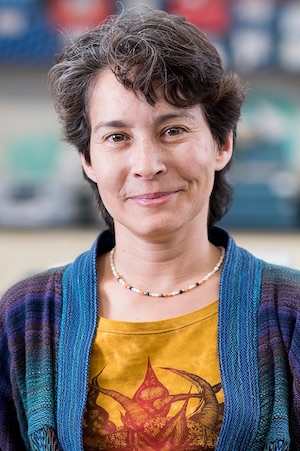
Senior Lecturer, Fischell Department of Bioengineering
A. James Clark School of Engineering, University of Maryland, College Park
Dr. Kondo’s undergraduate studies were at Loyola University in Baltimore. She then began a career in software test engineering, testing Hubble Space Telescope management and control software, before transitioning to the private sector, testing communications systems. Eventually the siren song of higher education lured her to a return into academia, and she completed a doctorate in Biological Sciences at the University of Maryland, Baltimore County in 2006. Her publications are in the area of molecular phylogenetics, with a special emphasis on closely-related species and the evolution of migration in New World Orioles. Recognizing a love of teaching during her graduate career, Dr. Kondo pursued a teaching post-doc at Cornell College in Iowa, famous for its unusual one-course-at-a-time curriculum. After this, she taught for four years in the undergraduate program of the Department of Biology at The Johns Hopkins University, before joining the Advanced Academic Programs, Center for Biotechnology Education at Johns Hopkins in Fall 2011. After that, she served as a senior analyst for a policy consulting company for a year, before returning to academia as a Senior Lecturer in the Fischell Department of Bio-engineering, University of Maryland.
10. Dr. Daniel Larson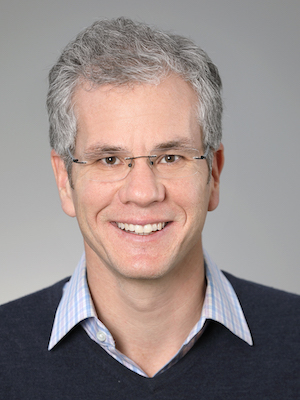
Senior Investigator
National Cancer Institute
The primary goal of Dan Larson’s laboratory at the National Cancer Institute is to understand gene expression in eukaryotic cells, starting from the mechanistic behavior of individual macromolecules and proceeding to their regulation in cells and tissue. The laboratory utilizes a battery of biophysical, molecular and genomic approaches, including single-molecule microscopy, RNA visualization in fixed and living cells, computational modeling of gene regulation, and nascent RNA sequencing. Dr. Larson helped pioneer in vivo single-molecule studies of transcription and splicing. Dr. Larson was trained in biophysics, molecular biology and cell biology, receiving a B.S. in physics from the Ohio State University, a Ph.D. in biophysics from Cornell University, and completing postdoctoral training in molecular and cell biology at Albert Einstein College of Medicine. He has never been to space.
11. Dr. Juliette Lecomte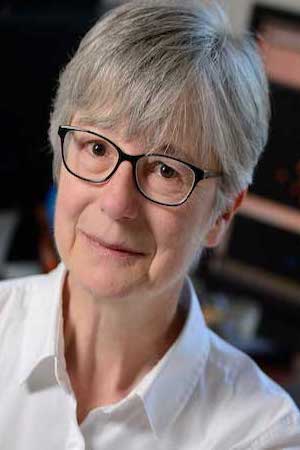
Professor, Department of Biophysics
Johns Hopkins University
Juliette Lecomte is a Professor in the T.C. Jenkins Department of Biophysics in the School of Arts and Sciences at Johns Hopkins University in Baltimore. She is a physical chemist by training and specializes in the application of nuclear magnetic resonance spectroscopy to proteins. Her research interests include the molecular evolution of the hemoglobin superfamily. Currently, her group seeks to understand the thermodynamic and dynamic principles underlying adaptation to extreme environments, specifically those encountered by deep-sea unicellular organisms.
12. Jonathan Lees, Ph.D.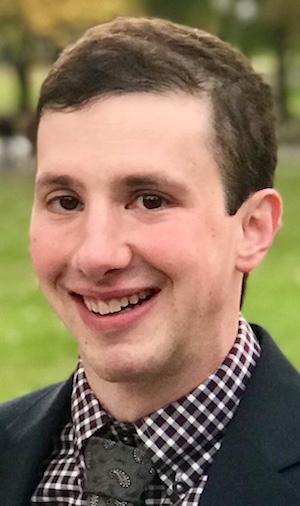
Support Scientist
Science Applications International Corporation (SAIC)
Jonathan Lees is a peer review administrator facilitating the review process of proposals submitted for specific solicitations to NASA’s Space Operations Mission Directorate and NASA’s Science Mission Directorate. Previously, he worked at PlantVax, a biotechnology company in Maryland, purifying recombinant proteins, primarily expressed in Nicotiana benthamiana plants (the same family as tobacco), for use in vaccine trials and as components for biotechnology. During his Ph.D. work in the Department of Biology at Johns Hopkins University, he studied how a mitochondrial fission protein dimerizes and possible implications to its function.
13. Dr. Jeff Leips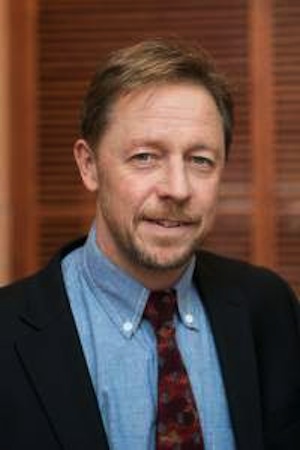
Professor, Department of Biological Sciences
University of Maryland Baltimore County
Dr. Leips obtained his PhD from Florida State University in the field of evolutionary ecology and did his post doctoral research at NC State University in quantitative genetics. Research in the Leips lab is focused on understanding the genetic basis of aging using the fruit fly, Drosophila melanogaster, as a model organism. Research interests include identifying genes that control age-specific changes in traits that directly contribute to senescence and ultimately limit life span. These traits include age-specific reproduction, immune response and energy storage. Some members of the research group are also studying the ecology of natural populations of Drosophila to understand how natural selection acts on genes controlling these traits. The overall goal is to combine knowledge of the natural history of this species with an understanding of the genetic architecture of these traits to help explain the maintenance of genetic variation in age-related changes in fitness in natural populations. For more information on research in the Leips lab follow this link: http://biology.umbc.edu/directory/faculty/leips/leips-lab/
14. Dr. Yuejin Li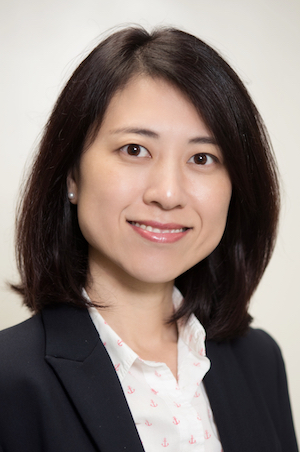
Assistant Professor, Department of Biology
Morgan State University
Dr. Yuejin Li received her medical degree from China Medical University and Ph.D. in Integrative Biology from Florida Atlantic University, and completed her postdoctoral training at Johns Hopkins University School of Medicine. Dr. Li has long-term research interests in the cardiac responses to various stresses, including physiological, pathological, and environmental stresses. Currently, Dr. Li’s research team focuses on two projects: one is to study a novel cardiac protective mechanism against ischemia-reperfusion injury, which involves sarcomeric protein post-translational modifications; the other project is to investigate whether and how microplastic pollutants affect heart health. Dr. Li also co-leads the Molecular and Cellular Biology Core facility at Morgan State University.
15. Dr. George Liechti
16. Dr. Tim Livengood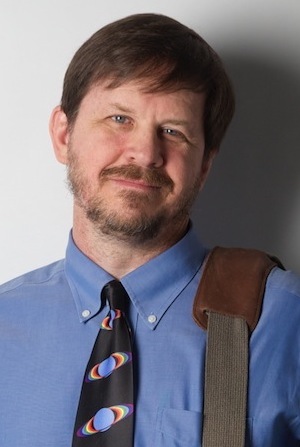
Adjunct Space Science Researcher, National Center for Earth and Space Science Education (NCESSE)
Research Scientist, University of Maryland Department of Astronomy
Dr. Tim Livengood is a senior advisor to SSEP and adjunct research scientist with the National Center for Earth and Space Science Education. He is a research scientist with the University of Maryland Department of Astronomy and works at NASA’s Goddard Space Flight Center. Tim has been a presenter and team leader for the Center’s public and school programs and has visited hundreds of classrooms. His current research uses a neutron-detecting instrument on the Lunar Reconnaissance Orbiter to measure deposits of water on the Moon, and uses infrared spectroscopy from telescopes on Earth to measure composition, temperature, and wind velocity in the atmospheres of other planets.
17. Shrestah Mathur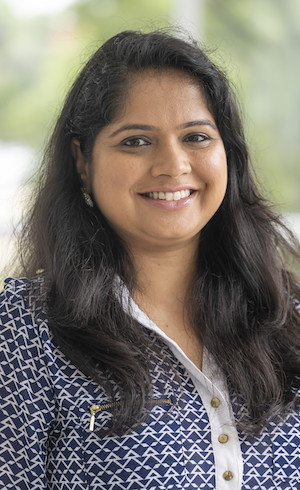
Postdoctoral Associate, Department of Cell Biology and Molecular Genetics
University of Maryland, College Park
Shrestha Mathur is a postdoctoral fellow at the University of Maryland (UMD). She completed her B.Sc. in Genetics, Microbiology and Chemistry in 2007 and M.Sc. in Microbiology in 2009 from Bangalore University, India. She obtained her Ph.D. in Biological Sciences from Binghamton University, NY, USA in 2021. She worked as a Postdoctoral Associate at the University of Maryland from 2021 to 2023 with Dr. Volker Briken’s group, understanding how Mycobacterium tuberculosis affect host inflammasome pathways. Presently, she has been conducting research as a postdoctoral fellow in Dr. Margaret Scull’s lab at the University of Maryland. Shrestha’s current focus is on studying how host airway epithelial mucus membrane affects infection by influenza virus. She is continuously looking for growth opportunities as a microbiologist and looks forward to expanding her contribution to the field of science outreach initiatives.
18. Dr. Sally Moody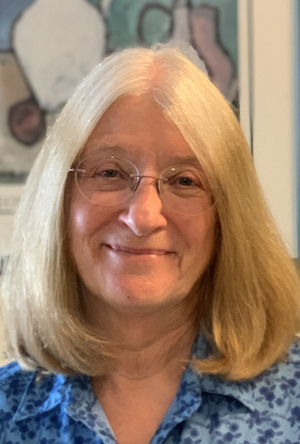
Professor Emerita and Former Chair
School of Medical and Health Sciences
George Washington University
Dr. Moody received her PhD in Neuroscience from the University of Florida where she studied the development of the trigeminal system in chick embryos. She was a postdoctoral fellow in the laboratory of Dr. Marcus Jacobson at the University of Utah Department of Neurobiology where she studied axon guidance and learned cell lineage analysis in Xenopus embryos. In 1983, she joined the Department of Anatomy and Cell Biology at the University of Virginia, where she had the good fortune to become a member of the wider Xenopus community. In 1992, she moved to the Department of Anatomy and Cell Biology at the George Washington University, in which she served as Chair from 2016-2023. Sally’s laboratory has worked on several issues concerning the development of the nervous system, including mechanisms that regulate cell fate and genes that cause birth defects, using mouse, chick and Xenopus. Her laboratory has been funded by grants from the March of Dimes, ALS Association, Sloan Foundation, NIH, NSF and BSF. Dr. Moody has published more than 150 scientific articles and reviews, served on several scientific advisory boards, grant review panels and editorial boards. She edited the “Cell Lineage and Fate Determination” and “Principles of Developmental Genetics” books for Elsevier. She was co-editor with Brian Hall (Dalhousie University) of the Evolutionary Cell Biology book series, and co-editor with Abraham Fainsod (Hebrew University) of “Xenopus, from basic biology to disease models in the genomic era”, both published by Routledge. Dr. Moody was Editor-in-Chief of genesis from 2010-2021, and has served on the Board of Directors and in leadership roles of the Society for Developmental Biology, the Society for Craniofacial Genetics and Developmental Biology and the International Xenopus Board.
19. Dr. Russell Moy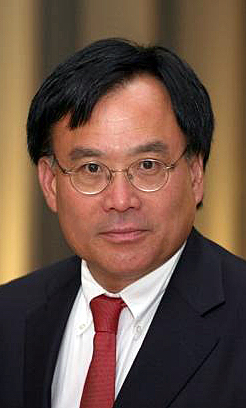
General Counsel
Southeastern Universities Research Association
Russell Moy is General Counsel for the Southeastern Universities Research Association with responsibility for managing SURA’s legal, regulatory, compliance, and technology transfer matters. Dr. Moy also participates in the management and operations of the Jefferson Lab (a DOE National Lab) and in SURA’s technology collaborations and research initiatives at and at NASA’s Kennedy Space Center and Goddard Space Flight Center. He worked previously at the National Science Board Office at the NSF, at the White House Office of Science and Technology Policy, at the Department of Commerce, and in the offices of Members of the U.S. Senate and House of Representatives. He was a member of the scientific and engineering research staffs of Ford Motor Company, the Paul Scherrer Institut (the Swiss National Lab), and the Institute for Inorganic and Analytical Chemistry at the University of Fribourg (Switzerland). He is a graduate of Case Western Reserve University (B.S., Chemical Engineering), The University of Michigan (M.S. and Ph.D., Chemical Engineering), Wayne State University School of Law (J.D.), and the Georgetown University Law Center (LL.M., International Law and Certificate in National Security Law.) He is an elected Fellow of the American Association for the Advancement of Science.
20. Benton Murphy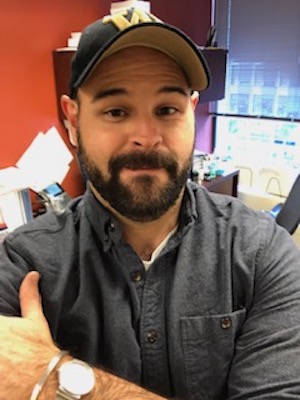
Director of Fund Administration
Greater Washington Community Foundation
Benton Murphy is a professional grantmaker with more than twenty years’ experience working in the charitable sector and currently provides philanthropic advisory and grantmaking support services as the Director of Fund Administration at the Greater Washington Community Foundation. Benton is also a Certified Master Gardener through the Master Gardeners of Northern Virginia where he specializes in vegetable gardening, cacti and succulents as well as orchid care and propagation. Through MGNV, Benton serves as a member of the public education committee and has developed and held lectures on subjects including Succulents and Cacti as well as Orchid care. Benton also maintains the vegetable garden at the Fairlington Small Spaces Demonstration Garden across the street from his home in Arlington, Virginia where he lives with his partner Dave and their cat Alakazam. Benton holds an Undergraduate degree from the University of Washington, Seattle and a Masters in Public Administration from the George Washington University.
21. Travis O’Brien, Ph.D., M.Ed.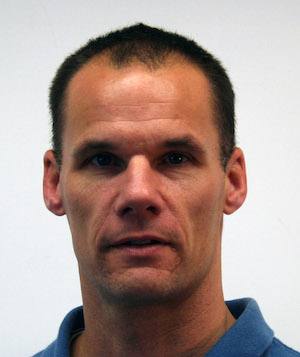
Associate Professor, Department of Pharmacology and Physiology
George Washington University Medical Center
Dr. O’Brien has been involved in education at the undergraduate, graduate and professional level for 20 years. He directs the Physician Assistant Program and graduate pharmacology courses at the GWU School of Medicine and Health Sciences. He is also the co-director of the Reproductive Medicine and Endocrinology course in the GWU MD program and provides numerous lectures throughout the other courses in the MD curriculum. Dr. O’Brien also directs the graduate course in pharmacogenomics and personalized medicine and has authored numerous publications on the topic. His research is focused on translational medicine and the development of predictive pharmacogenomic/toxicogenomic biomarkers in underrepresented populations.
22. George J. Papanicolaou, Ph.D.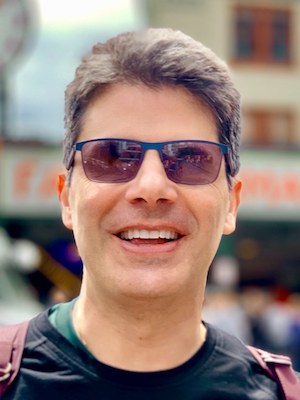
Common Fund Data Ecosystem (CFDE) Program Leader, Office of Strategic Coordination
Office of the Director, National Institutes of Health
Dr. Papanicolaou joined the Office of Strategic Coordination in 2021, where he helps integrate data from multiple Common Fund programs with the Common Fund Data Ecosystem (CFDE). Previously, Dr. Papanicolaou worked as a Research Geneticist in the Epidemiology Branch in the Division of Cardiovascular Sciences in the National Heart, Lung, Blood Institute (NHLBI). While a Program Director at NHLBI, he led efforts in genomics and omics in diverse programs such as Candidate Gene Resource (CARe), SHARe (SNP Health Association Resource), Omics in Latinos (OLa), Trans-Omics for Precision Medicine (TOPMed), and TOPMed’s Centralized Omics Resource (CORE). He was also the Program Officer for the Framingham Heart Study. George received his Ph.D. in Human Genetics from the University of Michigan, studying and mapping tumor suppressor effects of regions of chromosome 6 on melanoma. He also lectured and served as a discussant at Johns Hopkins.
23. Dr. Saroj Pramanik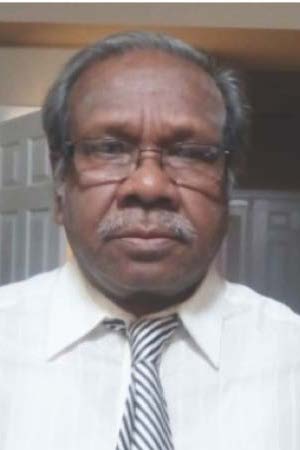
Associate Professor, Department Biology
Morgan State University
Dr. Pramanik’s research uses wide varieties of Biological Systems and several molecular tools. His primary area of research interest is Regulation of Protein Synthesis during Cellular Differentiation. He isolated couple of unique cDNA clones which are published in peer reviewed journals. His Alfalfa Ubiquitin Carrier Protein (E2) is in the MyBiosource Com catalogue (# MBS 1093121). Dr. Pramanik’s other research interest is on somatic embryogenesis of plants. Any segment of the plant can be induced to generate an embryo, which are as good as a normal seed. This technique is known as artificial embryos. At Morgan State University, Dr. Pramanik’s lab is working on Bioremediation of Toxic Chlorinated Chemicals (PCBs, Triclosan, DDT, etc.) using Nano-Phytotechnology and Plant-Microbial Interactions and on Rhenium-based Anticancer Drug Development (with collaboration). Dr. Pramanik received his bachelors’ degree in Agriculture (BCKV, WB, India), MS and Ph.D in Biochemistry (Indian Agricultural Research Institute, New Delhi, India), and postdoctoral research work on Myoblast Differentiation at Memorial University of Newfoundland, and Somatic Embryogenesis of Alfalfa plant at University of Guelph, Canada.
24. J. Reid Schwebach, Ph.D., Ed.M.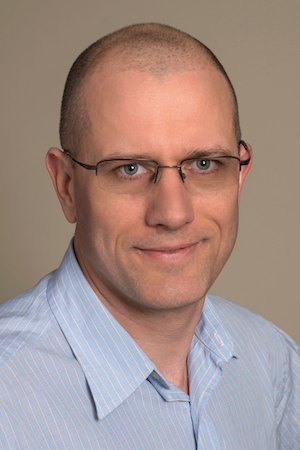
Dual Enrollment Professor and High School Science Teacher
Northern Virginia Community College (NVCC) and Prince William County Public Schools (PWCS)
Dr. Schwebach is a dual enrollment (DE) professor and public high school science teacher at NVCC and Battlefield High School (in PWCS), where he teaches DE Biology, Advanced Chemistry, and other science courses. Reid was a Research Competitiveness Program (RCP) Project Director at the American Association for the Advancement of Science (AAAS), where he managed and developed projects that provided essential international and domestic advisory and support work, proposal review, and infrastructure assessment for RCP (2018-2019). Reid was a Program Manager, Coordinator, and Assistant Professor for the College of Science at George Mason University, from 2010-2018. At Mason, he helped develop: a new undergraduate curriculum in bioinformatics, the STEM Accelerator Program, and various HS STEM programs; he was also the founding coordinator of the Governor’s School @ Innovation Park, taught phage ecology undergraduate research, and was PI or Co-PI of National Science Foundation (NSF) projects. Before Mason, he was a Program Officer and Study Director for the Board on Science Education at The National Research Council (2008-2010). From 2007-2008, he was an AAAS sponsored Science and Technology Policy Fellow at the NSF, in The Division of Research and Learning. In the NYC public school system, he was a METLife Fellow, a Columbia University Principal Intern, and he taught high school chemistry and independent student research at The Beacon School (2002-2007), with additional support from Howard Hughes Medical Institute (HHMI) and the Ellison foundation for summer phage research. His scientific research focused on the immunology of M. tuberculosis, the bacterial pathogen that causes tuberculosis. Reid received his PhD in microbiology and immunology from the Albert Einstein College of Medicine. He holds Ed.M. (secondary science education) and M.A. (international education development) degrees from Teachers College, Columbia University. He has a BA in agriculture and a BS in biochemistry from New Mexico State University. He was raised on a family farm in central New Mexico.
25. Dr. Nick Shworak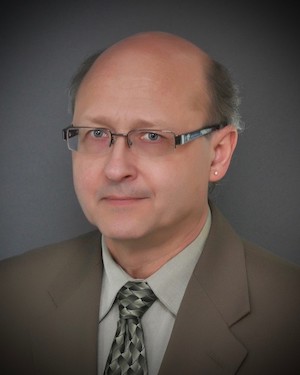
Associate Professor, Department of Pharmacology and Physiology
School of Medicine and Health Sciences, The George Washington University
Dr. Shworak is an Associate Professor of Pharmacology & Physiology and a Medical Educator of the School of Medicine and Health Sciences, The George Washington University (DC). His degrees are: BSc (Zoology, 1981; University of Calgary, AB, Canada), MD (1985; University of Edmonton, AB), PhD (Molecular Biology, 1990; University of Calgary), and MA Ed (2022; The George Washington University). For almost 30 years, he has studied the roles of polysaccharides in health and disease in a variety of disciplines including cardiology, neurology, virology, as well as developmental and reproductive biology. Much of his biomedical research was conducted at Massachusetts Institute of Technology, Harvard University, and Dartmouth College. Most recently Dr. Shworak has identified a gene that protects against inflammatory disorders and may be a genetic risk factor for coronary artery disease. He teaches pre-clerkship sciences to medical, physician assistant, and graduate students.
26. Dr. Daniel Serrano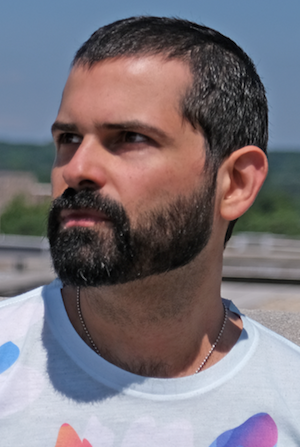
Adjunct Staff Member, National Center for Earth and Space Science Education
Senior Faculty Specialist, Institute for Physical Science and Technology
University of Maryland
Daniel Serrano is a Faculty Specialist at the University of Maryland College Park (UMCP) Institute for Research in Electronics and Applied Physics (IREAP), where he works in program administration, grant proposal advising/mentoring, and science outreach initiatives. He completed a B.S. in Biochemistry at Virginia Tech and an M.S. in Cell Biology and Molecular Genetics (CBMG) at UMCP. During his PhD work in the Biological Sciences program at UMCP, Daniel studied the optimization of targeted therapeutic delivery using nanocarriers and also the interactions between blood clots, blood cells, and the walls of blood vessels. In his role at UMCP, Daniel worked with the Cell Biology and Molecular Genetics (CBMG) Department to organize a University System of Maryland SSEP community. He has been Community Program Director in USM’s Mission 10, 11, 12, 13, 14, 16 and 17 to ISS.
27. Dr. Julia Slocomb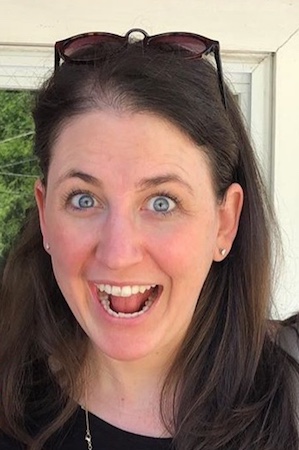
Senior Lead Reviewer
Food and Drug Administration
Julia earned her B.S. in Biology with a minor in English Literature from Villanova University and her Ph.D. from the Cellular, Molecular, Developmental Biology and Biophysics program at Johns Hopkins University. Her dissertation focused on modulation and visualization of neuronal circuits that drive behavior. Between her undergraduate and graduate degrees, Julia spent 5 years managing interdisciplinary clinical research studies for the Pennsylvania State University College of Medicine’s Department of Neurology. As a senior lead reviewer at the FDA, Julia reviews neurological and physical medicine devices for safety and effectiveness. She also writes new medical device regulation and is involved in the development of standards and other international collaboration efforts in Brain-Computer Interfacing device space. In her spare time she works as an editor of science fiction and fact articles to help bring cutting edge science to the public.
28. Alex Theos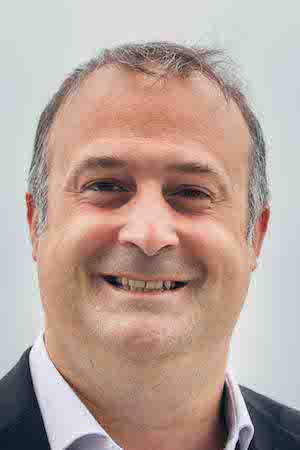
Adjunct Staff Member, National Center for Earth and Space Science Education
Associate Professor, School of Health
Georgetown University
Alex Theos is an Associate Professor at the Department of Human Science in the School of Health at Georgetown University. His research interests include the biogenesis of specialized organelles, focusing on the intracellular membrane trafficking pathways. Currently, his research lab is working to understanding the cell biology of the GPNMB protein, which is associated with diverse pathologies including melanoma and pigmentary glaucoma.
29. Zehra Tosun
Lead Biologist
Food and Drug Administration
Zehra serves as a lead biological product reviewer in the Tissue Engineering Branch (TEB) at the Center for Biologics Evaluation and Research’s (CBER) Office of Tissues and Advanced Therapies (OTAT). Her review work includes tissue engineered medical products, cell therapy products, and medical devices. She provides advice and analysis of regulatory issues regarding the safety of tissue engineering products and medical devices and coaches the team in the selection and application of appropriate problem-solving methods and techniques. Zehra provides leadership, guidance, and regulatory expertise to address and solve complex issues consistent with technological developments or new scientific evidence.
30. Dr. Harri Vanhala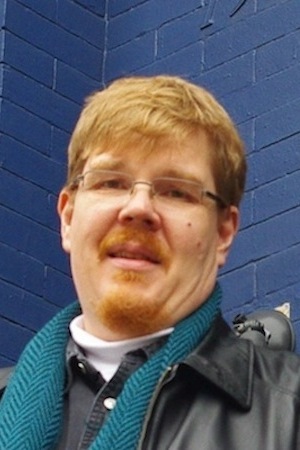
Adjunct Space Science Researcher, National Center for Earth and Space Science Education
Senior Scientist, Arctic Slope Technical Services
Originally from Finland, Harri received his Ph.D. in astronomy from the University of Oulu. Harri has worked in various research and education organizations in the Unites States for 20 years. He is a Senior Scientist at Arctic Slope Technical Services, where he works with NASA’s Space Technology and Human Exploration and Operations Mission Directorates to help select new space technology projects for development and experiments for flight to the International Space Station. His science research focuses on the use of computer simulations to investigate the origin of the Solar System and the formation of stars and planetary systems across the Universe. His science education activities have included hundreds of visits to grade K-12 classrooms, conducting teacher training workshops, teaching college courses, and presentations to families and the public—he is one of the presenters for the Center’s Family Science Night program at the Smithsonian National Air and Space Museum.
31. Dr. Kol Zarember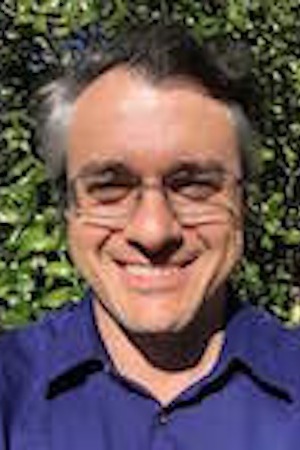
Adjunct Staff Member, National Center for Earth and Space Science Education
National Institute for Allergy and Infectious Diseases
National Institutes of Health
Kol Zarember obtained his PhD from the New York University School of Medicine and performed postdoctoral research at Genentech, Inc. before moving to the National Institutes of Health. Dr. Zarember is currently the Scientific Operations Manager of the Laboratory of Clinical Immunology and Microbiology and his research interests focus on the recognition of microbes by the human immune system and on how the innate immune system counters invasion by pathogens. Through studying patients with various rare genetic alterations in immunity, he works to better understand how neutrophils, the most abundant white blood cell in the circulation, prevent infections and contribute to other aspects of inflammation and human biology including atherosclerosis.